
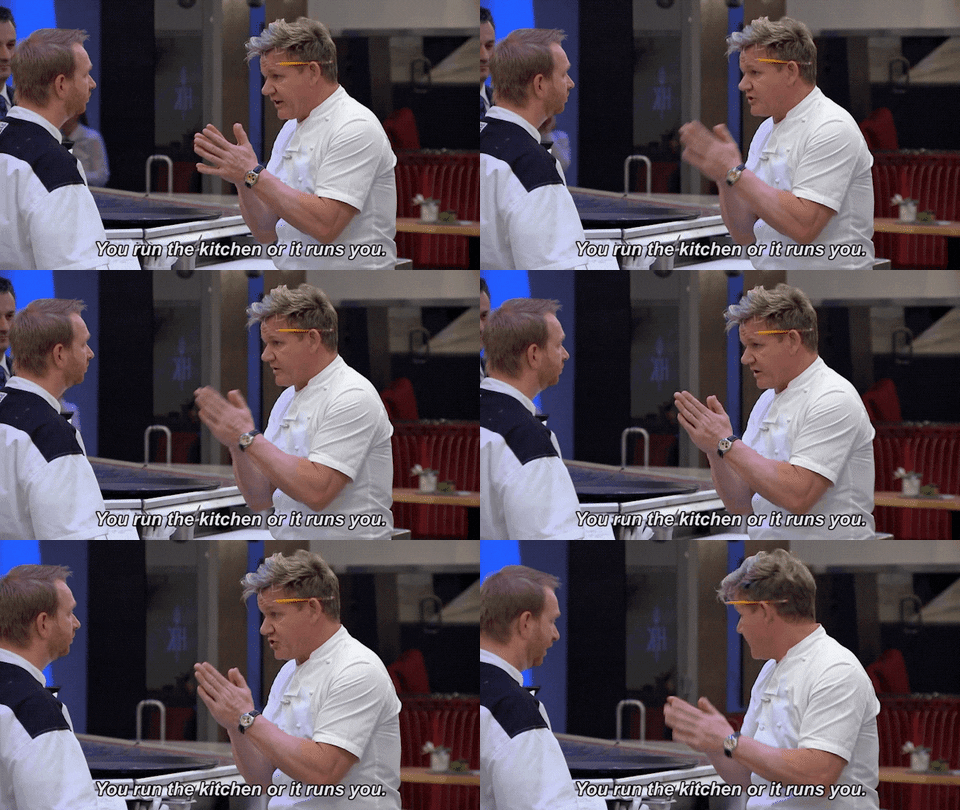
There’s a moment that every restaurant knows well… that moment when the dinner rush hits the staff like a tidal wave. The printer is firing nonstop, someone is yelling that you’re out of ramekins, and the fryer timer sound is going to haunt your dreams.
In those moments of chaos, success won’t come from having a perfect plan. It comes from having a plan, staff, and kitchen that are able to adapt to things as they’re occurring. Because chaos is a part of the restaurant world, but consistency is the thing that will keep customers coming back.
At Spokane Restaurant Equipment, we’ve seen the difference the right setup can make. The best kitchens and staff don’t just survive the rush; they move through it like a well-oiled machine, with rhythm, flow, and (usually) only a small need to have a panic session in the Walk-in. Here’s how:
Lesson #1: A Good Layout isn’t about the Feng Shui… It’s About Survival
Great kitchens aren’t necessarily quieter; they’re smarter. Everything, from prep stations and shelves to storage bins, plays a role in how the team moves. The wrong layout turns dinner service into a maze; the right one will feel like choreography.
One big aspect of a well-designed kitchen? It will minimize friction. No one is running across the kitchen for a whisk because tools are in reach. Cooks’ lines have clear sightlines. The prep cook doesn’t need to shout over expo just to talk to the cooks. Having an efficient kitchen isn’t contingent on having a massive amount of space; the most efficient kitchens just use the space they have intelligently. When everything is set up with intention and productivity in mind, the kitchen maze becomes a system. Every second saved from low friction in the kitchen adds up to faster service and fewer mistakes.
A good layout doesn’t need to be fancy; it just needs to work with the rhythm of the team (which will look different for every restaurant and space).
Lesson #2: If It Sputters, Leaks, or Wobbles… It’s Slowing You Down
There are few things that can completely derail a service faster than a piece of equipment deciding it’s time to die. An oven that won’t hold temperature or a prep table that decides it’s time for a leg to come loose can turn a rush into an ill-timed rescue mission.
The National Restaurant Association reports that frequent equipment issues can cost operators thousands annually in wasted food and efficiency. Replacing your “good enough” equipment and tools before it fails isn’t indulging in unnecessary kitchen supplies; it’s a smart business decision in the long run.
Reliable equipment can, quite literally, reduce the number of fires needing to be put out and help ensure your kitchen is running as smooth as silk.
Lesson #3: Clean Kitchens = Clear Minds
Deep cleaning might not be glamorous (anyone who’s dealt with a neglected stovetop covered in cooked-on food can tell you that), but the secret ingredient is consistency. Starting with a spotless and organized workspace at the beginning of service isn’t just to look good; it works better. Grease buildup, cluttered prep tables, and sticky handles all slow down service and shorten the life of your gear. Mise en place: everything is clean and ready to go.
Regular cleaning creates a sense of calm. When your space is under control, your team performs with confidence. Plus, nothing kills morale faster than starting a shift with yesterday’s mess.
Mise en place: When everything is clean and ready to go, you have a safe and happy kitchen… and it’ll smell better too.
If you want some tips on how to manage deep cleaning in your kitchen, check out this blog from our friends over at BSR Design and Supply.
Lesson #4: You Can’t Cook Like a Pro with a Butter Knife
Did you know that having dull knives can actually be one of the most dangerous things for your team? Even the best crews will crumble if their tools are working against them. A warped pan, a pair of tongs that won’t grip right, or a flimsy whisk that wobbles when it’s picked up can throw off the entire line.
When the essentials are dependable (sharp, sturdy, and consistent), everything else can click into place. Prep runs faster, plating looks cleaner, and communication improves because no one is looking for a spatula that’s melted or a ladle that isn’t missing the handle.
Smallwares might seem like little details that aren’t important, but they’re a big part of what keeps service flowing the way it needs to. Replace the well-loved, “basically fine” gear, and watch how fast your kitchen starts feeling like a team again.
Lesson #5: Readiness Is the Real Recipe for Success

The strongest kitchens don’t wait for disaster to hit before taking action. Readiness means being proactive, checking seals, scheduling maintenance as needed, and upgrading before problems snowball faster than you can stop them.
You can’t predict a surprise 12-top or a late delivery truck, but you can control how your kitchen is run and supplied. A kitchen that’s ready for anything can handle just about everything.
The Takeaway
You can’t plan for every surprise ticket, power surge, or delivery delay, but you can design a kitchen that’s built to bounce back when diner rush chaos knocks on your door.
When your setup is smart, your tools are reliable, and your cleaning routine is consistent, chaos will turn into momentum instead of mayhem.