
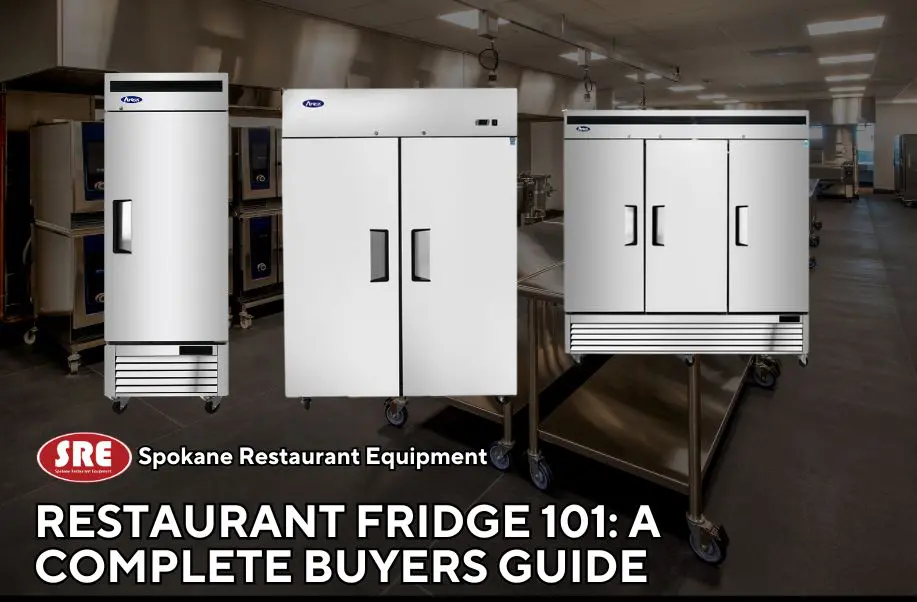
Choosing the right commercial refrigerator is one of the most important decisions in any restaurant kitchen. Too small, and you run out of storage during service. Too large, and you waste valuable kitchen space and energy costs.
Commercial kitchen reach-in refrigerators come in single, two, and three door options, each designed for different kitchen sizes, storage needs, and service volumes. Understanding the differences can help you choose the right commercial fridge for your operation instead of overpaying or outgrowing your equipment too quickly.
1. Single Door Refrigerator
Single door reach-in refrigerators (typically 27”) are ideal for small or space-limited kitchens. Operators choose them because they offer a compact footprint, lower upfront cost, and reliable cold storage for backup or secondary use.
Best used when:
- Coffee shops
- Small cafés
- Bars
- Food trucks
- Prep stations
- Low to moderate volume kitchens
In daily operations, single-door units are commonly used for quick-access backup storage or specific ingredient holding stations where space efficiency is more important than bulk capacity. They help smaller kitchens stay organized and functional without taking up valuable floor space.
They are recommended when space is tight but dependable refrigeration is still needed to support daily service.

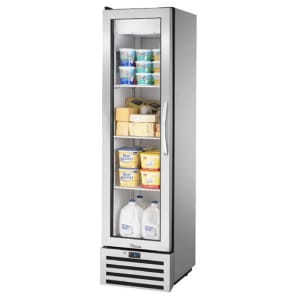
2. Two Door Refrigerator
Two-door units (typically 54”) provide enough storage for most full-service restaurants without taking up excessive kitchen space. They sit in the “sweet spot” between compact single-door units and oversized three-door systems, making them the most common choice in commercial kitchens.
A common choice for full-service restaurants:
- Full-service restaurants
- Mid-volume kitchens
- Growing operations
- Most standard foodservice setups
Two-door reach-in refrigerators are considered the industry standard because they offer the best balance of storage capacity, footprint, organization, and efficiency. With separate compartments, operators can better organize ingredients like proteins, produce, and dairy, which improves workflow speed and reduces cross-contamination risk during busy service hours.

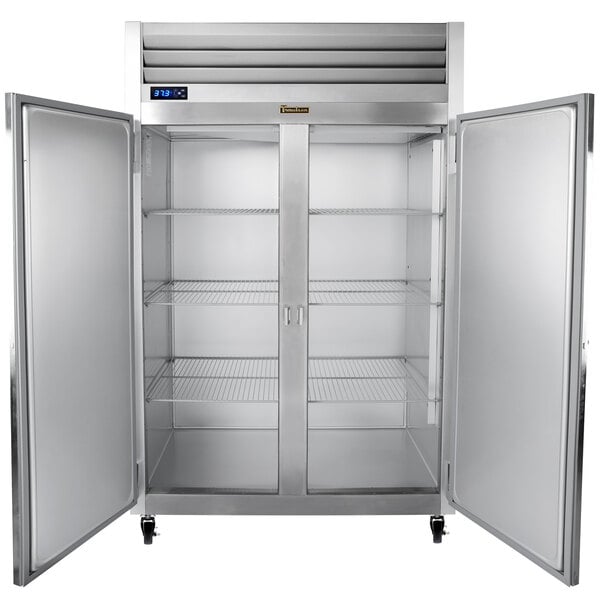
3. Three Door Refrigerator
Three door reach-in refrigerators (typically 82”) are designed for high-volume kitchens that require maximum cold storage and constant ingredient access throughout service. These units provide significantly more capacity than single or two-door models, making them ideal for operations that handle large inventory levels and heavy daily prep.
Ideal when you have:
- High-volume restaurants
- Large commercial kitchens
- Hotels and banquet operations
- Commissary kitchens
- Busy multi-station foodservice operations
In day-to-day use, three-door refrigerators are important for fast-paced kitchens where multiple cooks may need access to different ingredients at the same time. While they offer maximum storage capacity, three-door units also require more kitchen space and should be planned carefully within the overall kitchen layout.


4. How to Choose the Right Commercial Refrigerator for Your Restaurant
Choosing between a single, two, or three-door reach-in refrigerator comes down to more than just size, it’s about how your kitchen operates day to day. The right unit should match your storage needs, kitchen space, and service volume so your team can work efficiently without constantly running out of room or wasting valuable space.
- Consider Your Daily Volume: The amount of food you store and prepare each day is one of the biggest deciding factors.
- Look at Your Menu and Prep Style: Your menu directly impacts how much refrigeration system capacity you need.
- Evaluate Kitchen Space and Layout: Even the best refrigerator won’t help if it doesn’t fit your workflow.
- Think About Delivery Frequency and Storage Habits: How often you receive a product affects how much storage you need.
- Plan for Growth, Not Just Today: Many restaurants underestimate future demand.
Bottom Line: The best commercial refrigerator is the one that fits your volume, menu, space, and workflow, not just the lowest price or the biggest size. Choosing the right fit helps improve efficiency, reduce waste, and keep your kitchen running smoothly during peak service hours.
Already know what you need? Don’t wait on a quote, SRE’s “Buy Online Now” option gets your commercial fridge directly into your cart and checked out right away.